
Leave a little untidy
Keep some fallen leaves, seed heads and dead wood. A quiet corner can offer shelter and food. Check for animals before moving piles or cutting long grass.
Simple, practical ways to help wildlife in Cornwall, from wild corners and safer gardens to water, shelter and recording what you see.
You don’t need a big garden to make room for wildlife. A window box, a patch of longer grass or a conversation with a neighbour is a good place to start.
The ideas below are starting points. Follow the linked guides to choose something that suits your space and the wildlife already using it.
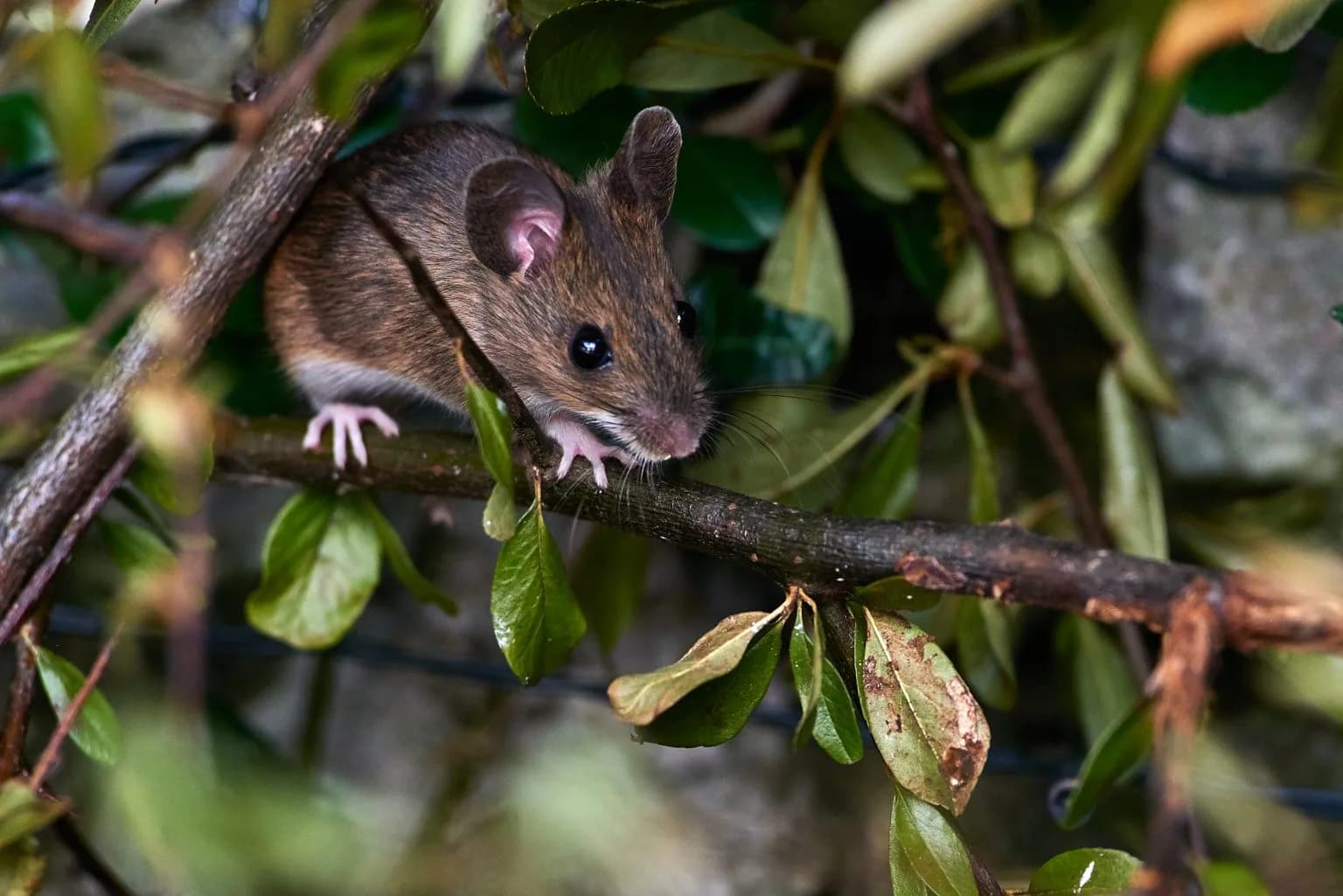
Keep some fallen leaves, seed heads and dead wood. A quiet corner can offer shelter and food. Check for animals before moving piles or cutting long grass.
Choose flowers that provide pollen and nectar through different seasons. A few suitable pots can make a balcony or doorstep useful to insects.
A clean, shallow water dish can help visiting wildlife. A pond needs shallow edges or a way out for animals that fall in; make water features safe for children too.
Discuss small gaps with neighbours so hedgehogs can move between suitable gardens. Check that pets remain safe and boundaries are yours to alter.
Avoid routine pesticide use. Encourage the insects, birds and other wildlife that form a healthy garden food web.
Observe without disturbing nests or shelters. Recording a sighting can contribute to local knowledge; keep vulnerable species’ locations private.
The Wildlife Trusts’ action guides explain how to create wild patches, ponds and shelter. For water, see their water for wildlife guide. ERCCIS is a starting point for recording wildlife in Cornwall.
Out walking, give wildlife space, keep dogs under control and take litter home. Quiet observation is often the best way to enjoy an animal without changing its behaviour.
Sources checked 7 October 2026. Contact details, services and legal developments can change; follow the linked organisations for current information.
Find a monitoring or sab group near you through the Hunt Saboteurs Association or Protect the Wild. Contact the local group directly to ask about volunteering and the support it needs.